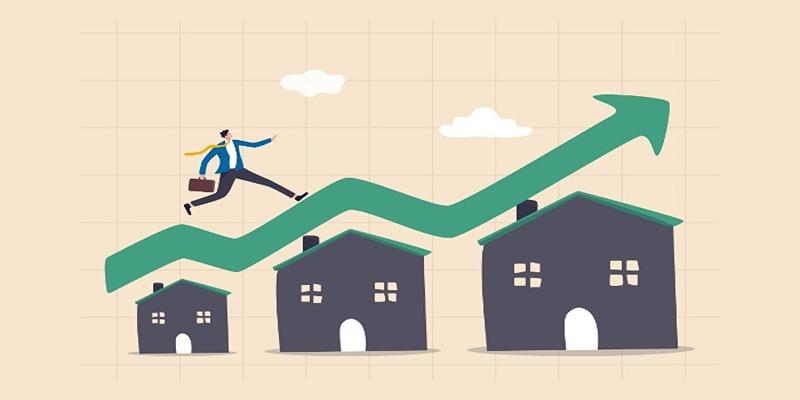

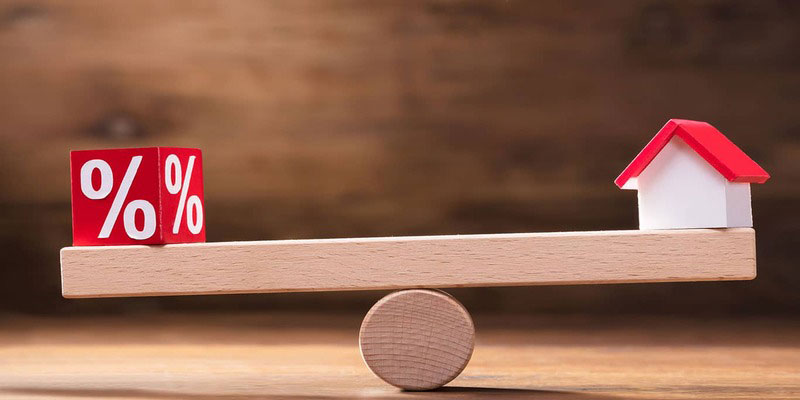
Are you considering buying a house, refinancing your current mortgage, or just curious about how interest rates impact the housing market? If so, this blog post is for you! Interest rates can enormously influence what buyers can afford and the types of houses available.
This article will explore how different interest rates affect mortgages and the housing market's health. We will consider current trends in home loan pricing and factors that drive prices up or down.
After reading it, you should have a much better understanding of why certain changes occur when getting a new home loan.
What are Interest Rates?
Before we dive into how interest rates affect the housing market, let's define what interest rates are. An interest rate is the percentage of a loan a lender charges a borrower for using their money.
When you take out a loan, you must repay the principal amount plus interest over a set period. The interest rate is the cost of borrowing that money.
How Do Interest Rates Affect the Housing Market?
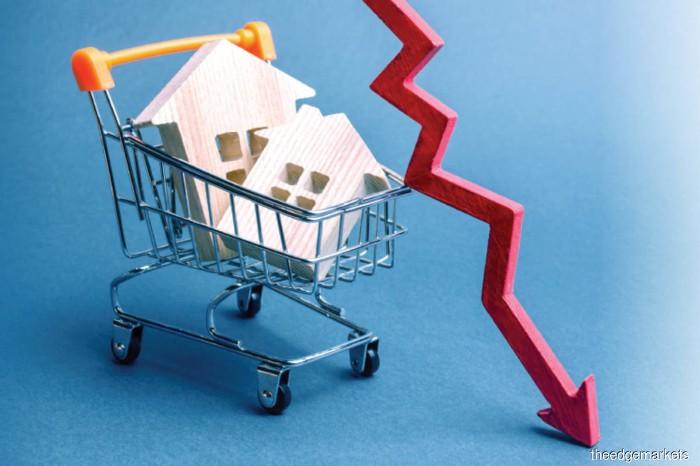
Affordability of Homes
Interest rates have a direct impact on the affordability of homes. When low-interest rates, homebuyers can afford more expensive homes because borrowing money is cheaper. Lower interest rates mean lower monthly mortgage payments, making homes more affordable for buyers.
Buying Power of Homebuyers
Interest rates also affect the buying power of homebuyers. When low-interest rates, homebuyers can borrow more money because borrowing costs are cheaper. This means homebuyers have more buying power and can afford more expensive homes.
On the other hand, when interest rates are high, homebuyers can borrow less money because borrowing is more expensive. This means homebuyers have less buying power and can afford less expensive homes.
Demand for Homes
Interest rates can also affect the demand for homes. When interest rates are low, more people can afford homes, which can increase demand for homes. This can lead to higher home prices and a competitive housing market.
Supply of Homes
Interest rates can also affect the supply of homes. When interest rates are low, more people may choose to buy homes, which can increase demand for homes. This can lead to a need for more available homes for sale, driving up home prices.
Refinancing Activity
Interest rates also affect the amount of refinancing activity in the housing market. When interest rates are low, homeowners may refinance their mortgages to take advantage of lower interest rates. This can reduce their monthly mortgage payments and save them money over the life of the loan.
Conversely, when high-interest rates, homeowners may be less likely to refinance their mortgages because borrowing money is more expensive; this can reduce refinancing activity in the housing market.
The Impact of Increasing Interest Rates on the Housing Market
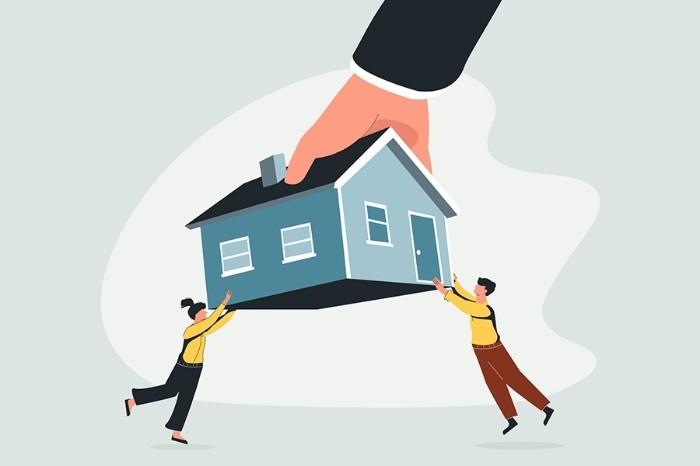
When interest rates increase, the cost of borrowing money goes up. This can make it harder for buyers to qualify for mortgages and purchase homes, leading to decreased demand for homes.
As demand falls, home prices may drop as sellers are forced to reduce their asking prices to attract buyers. In addition, homeowners with existing mortgages may find it easier to refinance their mortgages due to higher interest rates.
Increasing interest rates can hurt the housing market by reducing affordability, decreasing buying power, and reducing refinancing activity. For this reason, buyers and sellers need to keep an eye on changes in interest rates when entering into any real estate transaction.
Understanding how interest rates affect the housing market can help buyers and sellers make more informed decisions about their real estate investments.
Benefits of Low-Interest Rates for Home Buyers
Low-interest rates can offer several benefits for homebuyers looking to purchase a home. This article will explore the advantages of low-interest rates and how they can make buying a home more affordable.
Lower Monthly Mortgage Payments
Low-interest rates mean lower monthly mortgage payments. When low-interest rates, homebuyers can borrow more money for the same monthly payment. This can make homes more affordable and increase the buying power of homebuyers.
More Affordable Homes
Low-interest rates can make homes more affordable for homebuyers. With lower interest rates, homebuyers can afford more expensive homes for the same monthly mortgage payment. This can increase the number of homes that are within a homebuyer's budget, giving them more options to choose from.
Easier Loan Approval
Low-interest rates can also make it easier for homebuyers to get approved for a mortgage loan. Lenders are likelier to approve loan applications when interest rates are low because borrowing money is cheaper. This can make it easier for homebuyers to qualify for a loan and get approved for a mortgage.
More Favorable Loan Terms
Low-interest rates can also lead to more favorable loan terms for homebuyers. With lower interest rates, homebuyers can secure a lower interest rate for their mortgage loan, which can lead to significant savings over the life of the loan.
Increased Buying Power
Finally, low-interest rates can increase the buying power of homebuyers. With lower interest rates, homebuyers can borrow more money for the same monthly mortgage payment, increasing their buying power and allowing them to afford more expensive homes.
For example, let's say a homebuyer has a budget of $1,500 per month for their mortgage payment. With an interest rate of 4%, they could afford a home that costs $316,000.
However, with an interest rate of 3%, they could afford a home that costs $352,000. This represents an increase in buying power of $36,000.
FAQs
How do interest rates affect the housing market?
Interest rates affect the housing market in a variety of ways. When interest rates are low, borrowing money for a mortgage is cheaper, making it easier and more affordable for people to buy homes.
Low-interest rates can also cause home values to rise because buyers have more buying power, leading to increased demand and higher prices. On the other hand, when interest rates are high, borrowing money for a mortgage is more expensive, making homebuying less appealing.
How can I get the best interest rate on my mortgage?
The best way to get the best interest rate on your mortgage is to shop around and compare rates from different lenders. It's also important to have a good credit score, as this will determine what rates you qualify for. Additionally, having a larger down payment can help you secure a lower rate.
What other factors influence the housing market?
Several other factors can influence the housing market, including the economy, job growth, and availability of financing. When these conditions are favorable, homebuyers are more likely to take advantage of low-interest rates and purchase homes.
Conclusion
The housing market is ever-changing, and to successfully navigate your mortgage journey and find the perfect home for you, it's important to have a solid understanding of how interest rates affect it. They profoundly impact buyers, sellers, lenders, and investors alike.
Ultimately, interest rate movements are integral to any finance/real estate decision and reflect the nation's current economic situation.